Emmroche COPY
  • Home
  • News
  • The breed
    • Health
    • Hobbies
    • About Us
  • Girls
    • Zia
    • Remi
    • Dita
    • Anto
    • Cia (RIP)
  • Boys
    • Gids
    • Ciro
  • Puppies
    • Important Information
    • Puppy Plans
    • Previous litters >
      • Emmroche A - litter >
        • Amy
        • Anto
      • Emmroche B-litter >
        • Tosca
        • Samson
        • Romo
        • Gideon
      • Emmroche C- Litter >
        • River
        • Vito
        • Jasper
        • Valentino
      • Emmroche D- Litter >
        • Inti
        • Cairo
        • Luca
        • Bertie
        • Beppe
      • Emmroche E - Litter >
        • Remi
        • Ciro
        • Rosa
        • Obi
        • Luca
        • Florence
  • Photos
  • Contact
Picture
Picture
Picture

About the breed - 


History:

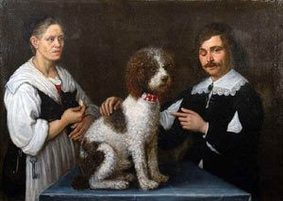
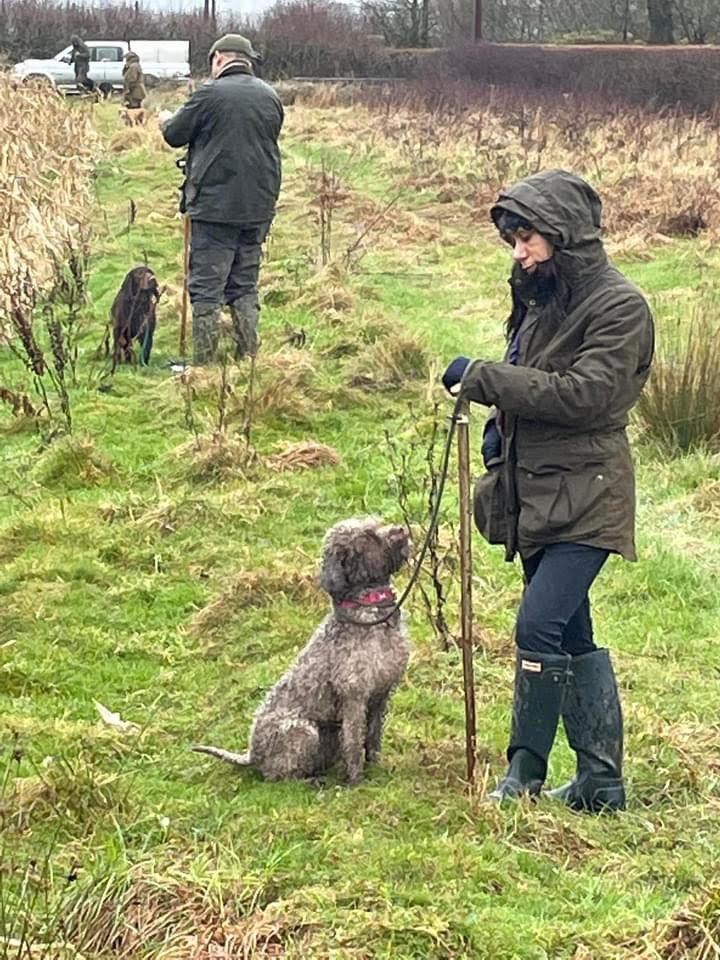
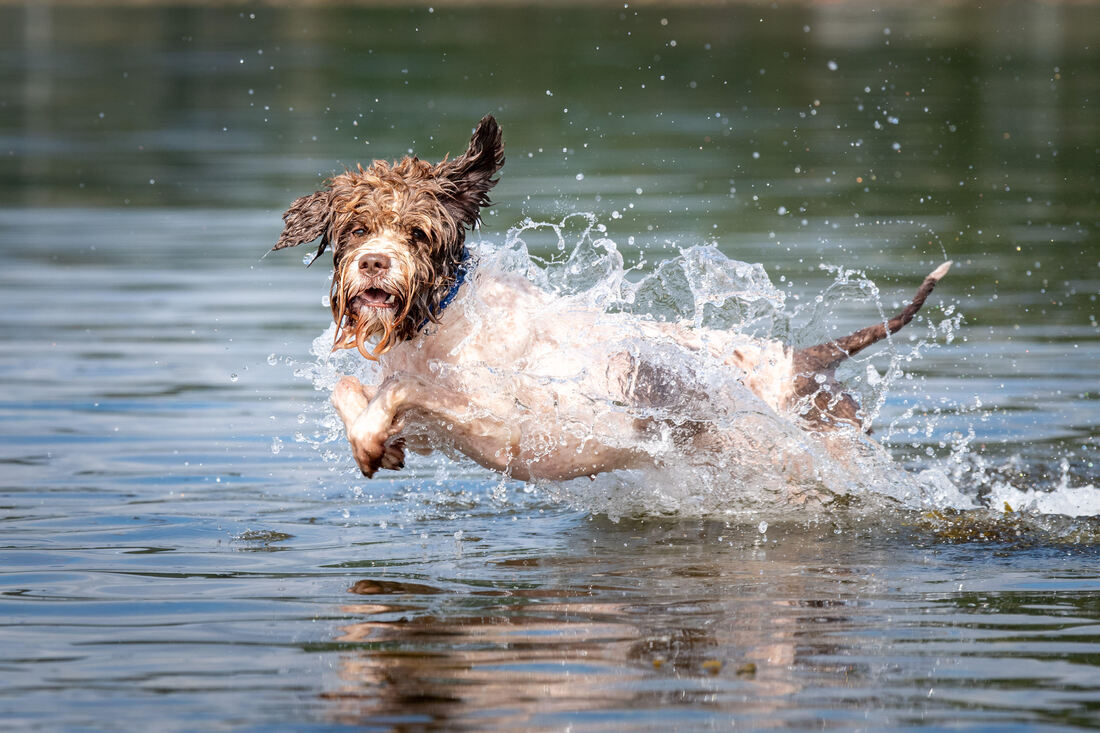
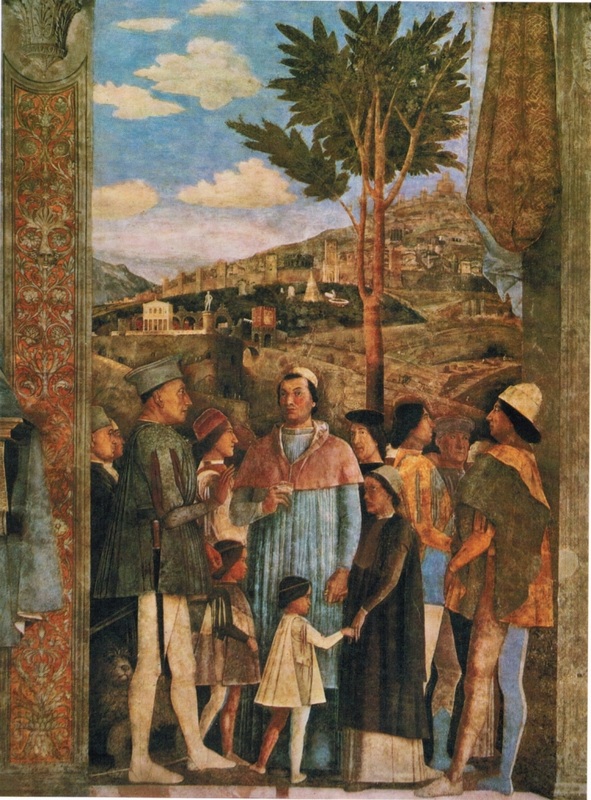
The Lagotto Romagnolo (water dog) is a very old breed dating back to Roman and medieval times. A picture of this dog can be seen in an Italian Fresco by Andrea Mantegna  dating back to 1456. This small to medium breed was used for centuries as a water retrieving dog by the Valloroli in the Marshlands of Comacchio and Romagna in Italy. With their owners, the Lagotto were used to beat the hunting grounds of Ravenna diving for hours in to the water retrieving game. With the gradual reclamation of the Marshlands in this part of Italy the breed gradually lost its’ function as a waterdog and evolved as a truffle dog with its unbeatable sense of smell and it’s sharp aptitude for searching. 

By the 1970s the breed was risking extinction and thanks to a small group of  Lagotto enthusiasts this fantastic breed was saved. ‘ The Club Italiano Lagotto’ was finally formed in 1988. 

Today the Lagotto is unique as it is the only pure bred dog in the world recognised as a specialised truffle searcher although they have certainly not lost their ability to retrieve on both land and water.

Temperament:

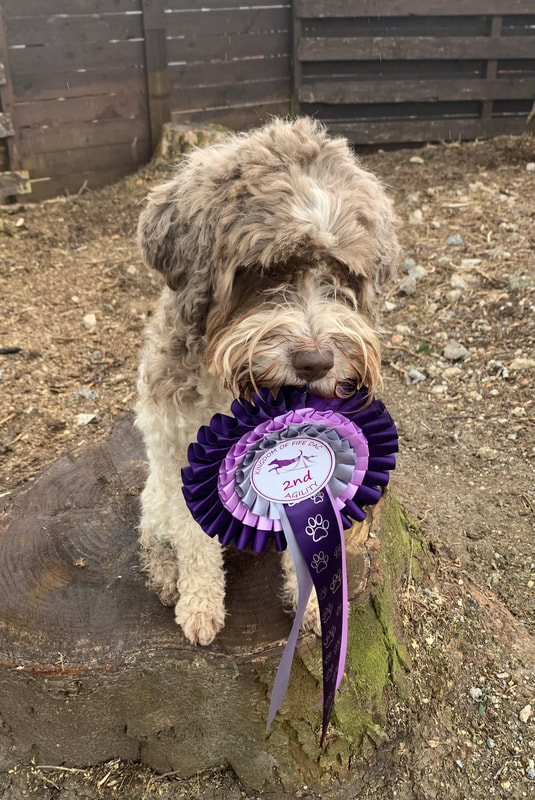
These dogs may look cute and cuddly and they are, but first and foremost they have had years of breeding to form functional working dogs and can be quite a demanding breed. They are small to medium size and are very clever with an abundance of energy (you can however get the odd couch potato). Agility, heel work to music, gundog work and of course scentwork are just a few of the things they are well suited to. In short these dogs love a job.

This is not a breed I would necessarily recommend for the first time dog owner. They are intelligent and demanding. They learn very quickly and you need to be continually one step ahead of them .They can learn bad habbits’ as quickly as they learn good ones! Like most dogs they like routine and consistency. The breed is late in maturing and because of its independence and quickness to learn they can make up their own mind about things which can be quite challenging for their owners.

If you are thinking about getting a Lagotto and have had no experience, it is essential you attend dog training classes immediately to understand training and behavioural requirements of this breed. Consistency and calmness is extremely important when living with a Lagotto due to its sensitivity. Ongoing training is necessary with this breed and if not followed through problems will occur. 
 

They are very affectionate and loyal dogs. They can be reserved with strangers which is a trait of the breed but once known to them they won’t forget you and you will receive an extremely enthusiastic greeting. They can be quite vocal,and make good warning dogs.  They are gentle and sensitive dogs as a breed and extremely loyal to their humans but are a commitment and a demanding breed!

Lagotto and families.
Lagotto aren't as forward, bouncy and as outgoing as say a Labrador or a King Charles Cavalier. They are sensitive dogs and can be overwhelmed quite quickly. Careful introductions to children with ongoing supervision are advised. Lagotto also expect to take up as much time as a child! Although they love their own families, they tend to be reserved with people who are not part of their family so if you are looking for an out going and confident dog with strangers this is NOT necessarily the first breed to have on your list.


Living with a Lagotto
If you are precious about your garden then this breed is perhaps not for you however if you would enjoy some help in the garden then they are ideal! Being truffle hunters they like to dig but they like to dig for anything! They love to swim and you will have your own personal water dowser. Unfortunately this can also include mud! They are alert barkers in that they will always tell you if somethings going on or someone is approaching the house, possibly more than other breeds.

Lagotto want to be in a relationship with you. They are loyal to their owners and if you want a best friend these dogs want to be that best friend. They want to be involved in everything you do whether it's your walking companion, enjoying time on the sofa with you or being your partner in a dog sport. They want to be a big part of your life! They don't however want to be every other dogs best friend. They enjoy their dog friends but tend to ignore other dogs and would rather be with their humans.


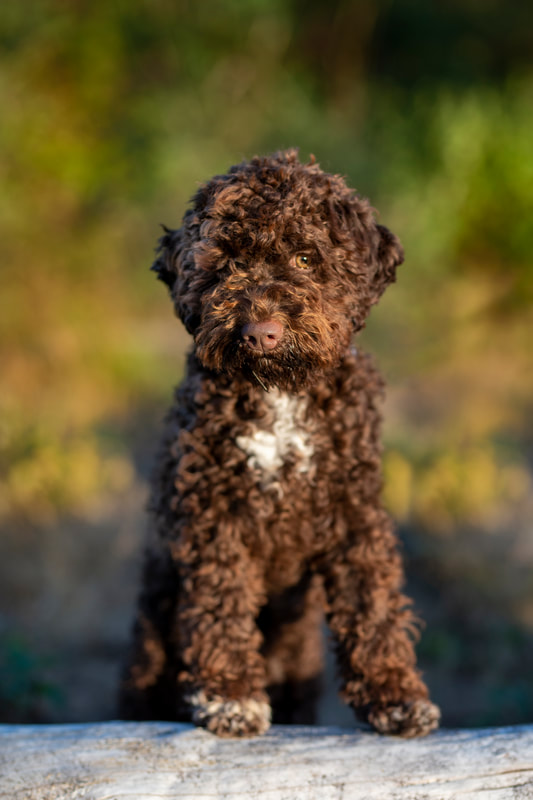
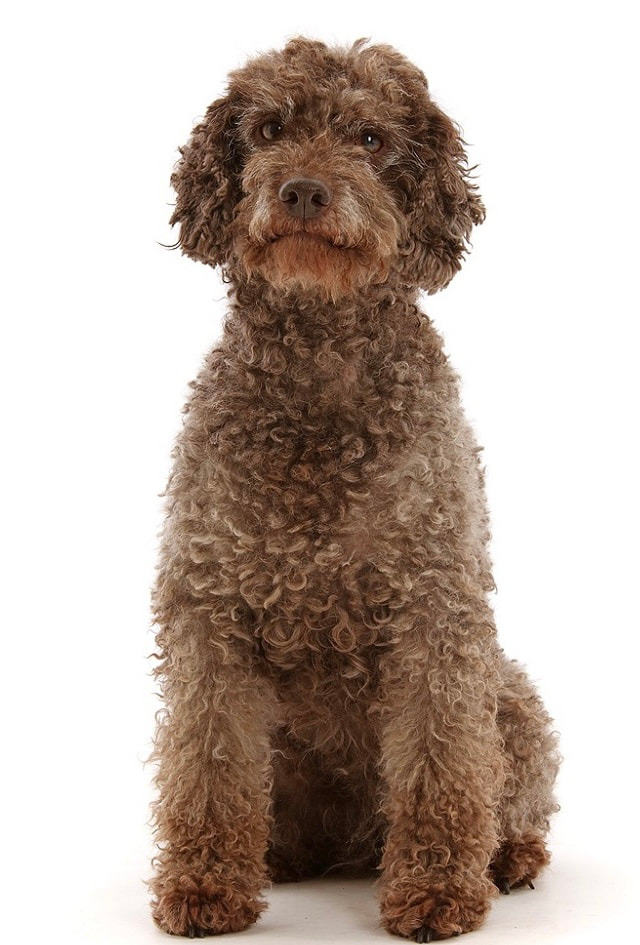
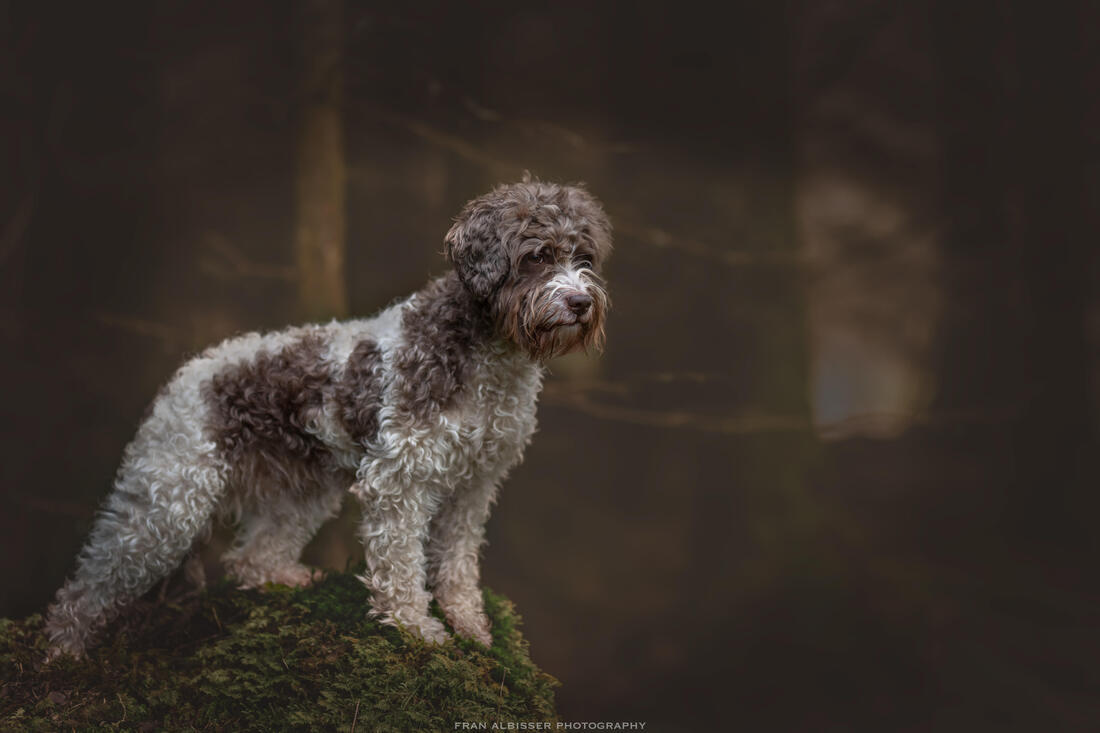
There are a variety of colours in the Lagotto . Generally there is off white, orange, brown, brown roan and brown and white and sometimes with some tan colouring. There is no black in the breed.

Coats:
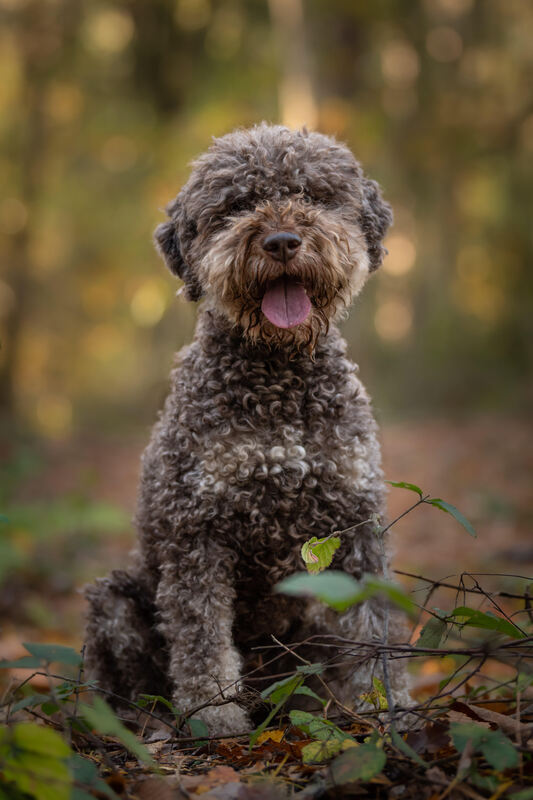
The Lagotto have tight curly coats although the tightness of curl can vary.  The Lagotto require clipping around 3-4 times a year coat if you require low maintenance. As they are a non-shedding breed the coat matts really close to the skin aka felting, so the clip can appear quite extreme. I clip my own dogs approximately once or twice a year as I regularly scissor which keeps the coat neat and tidy. The coat texture can vary from dog to dog and is not due to it colour.

Many puppy people are reluctant to clip the lovely fluffy coats off their babies but it really does improve the texture of the adult coat therefore making it easier to manage. Getting youngsters habituated to clipping early also makes for a dog content to be clipped rather than it being stressful for all! If you intend to use a professional groomer rather than DIY get recommendations, word of mouth and get the pup there at about 14weeks when everything should be fun!

Generally the Lagotto are a healthy and robust breed. If breeding from Lagotto eye testing and hip scoring is advisable. 
All responsible breeders will carry out required health testing. See UK Kennel Club website for further details.

Dog grooming
I have been grooming Lagotto for the show ring ever since I entered the dog show world in 2005. As well as grooming my own dogs for the past 15 years I also groom other Lagottos for individuals who show or who want to learn how to groom a Lagotto correctly. Having shown abroad I have had the opportunity to learn different methods of grooming from other successful European Lagotto breeders.
I hold grooming workshops for the Lagotto Romagnolo Association for people who want to know how to groom their own Lagottos or inform their own groomers on how best to trim and care for the Lagotto coat. 
If you are interested in attending one of these workshops please contact the Lagotto Romagnolo Association club secretary to attend one of the workshops. If numbers permit workshops can be held in different locations throughout the UK.
Professional groomers are welcome.

A note about Health Testing!
​Health testing is a very important part of being an ethical and caring breeder and wanting the best for our dogs. There are several health tests that are required  by the Kennel Club and breed clubs in unison. Some are mandatory and some are suggested. For a full list of health testing requirements please see the UK Kennel Club website and the Lagotto Romagnolo Association website. All dogs I breed from are fully health tested and all my puppy owners will receive copies of these health tests.

Health testing is important not because the dogs have health issues but to PREVENT any potential future health issues. The more testing we can do, the better we can improve on the health and welfare of the Lagotto Romagnolo!
Website links
www.lagottoromagnoloassociation.co.uk
www.francobilli.it
http://www.cobbys.se/2%20Illustrated_breedstandard%20for%20Lagotto_en_2010.pdf

.


Picture
Picture
Picture
Picture
Picture
Picture

Breed Standard- Lagotto Romagnolo
The Royal Kennel Club(8/11/25)

​A breed standard is the guideline which describes the ideal characteristics, temperament and appearance including the correct colour of a breed and ensures that the breed is fit for function. Absolute soundness is essential. Breeders and judges should at all times be careful to avoid obvious conditions or exaggerations which would be detrimental in any way to the health, welfare or soundness of this breed. From time to time certain conditions or exaggerations may be considered to have the potential to affect dogs in some breeds adversely, and judges and breeders are requested to refer to the Breed Watch information related to this breed for details of any such current issues. If a feature or quality is desirable it should only be present in the right measure. However, if a dog possesses a feature, characteristic or colour described as unacceptable, it must not be rewarded in the show ring.

Brief Historical Summary Italian breed of waterfowl gundog in the lowlands of Comacchio and the marshlands of Ravenna in Romagna. Subsequently the Lagotto expanded its excellent working skills to include searching for truffles in the flat open country and in the hills of Romagna.

General appearance
Squarely built, small to medium sized dog of rustic appearance; sturdy and robust with dense, curly coat of woolly texture. Noticeable difference between sexes.

Important Proportions
The dog is as high as it is long (square). The length of the head is 2/5 of the height at the withers. The length of the skull should be slightly more than the length of the muzzle. Length of leg from elbow to ground greater than depth of chest (about 56% of the height at the withers).

Temperament
Lively, intelligent, affectionate. An excellent and alert family companion.

Head and skull Head
Moderately broad. When viewed from above the widest point is at the zygomatic arch. When viewed from the side, planes of muzzle and skull diverge slightly. Skull slightly convex, as wide as it is long and flattening at occiput and with medial-frontal furrow. Length of skull from occiput to stop slightly longer than from stop to nose. Slight but evident stop. Well-developed eyebrow arches. Muzzle strong and wedge-shaped, rather blunt in profile. In depth, almost equal to length. Nasal bridge straight, with large nose protruding slightly with wide, open nostrils. Jaws wide, large and powerful. Lips tight forming a wide semi-circle when viewed from the front, covered with long, bristly whiskers.

Eyes
Fairly large, nearly round, set fairly well apart. Close fitting eyelids with rims in various shades of brown. Well-developed eyelashes. Eye colour ranges from ochre to dark hazel and brown, depending on coat colour. Attentive, intelligent expression.

Ears
Moderately large in relation to the size of the head, triangular with slightly rounded tips, rather wide at the base and set slightly above the level of the eye. Hanging at rest, slightly raised when alert.

Mouth
Well-developed teeth, set square to the jaws. Scissor or pincer bite. Complete dentition highly desirable. Reverse scissor bite permissible.

Neck
Relatively short, oval in section, slightly arched, muscular and powerful. Without dewlap.

Forequarters
Shoulders muscular, moderately well laid back, long in blade and equal in length to upper arm. Elbows fairly close fitting.

Forearms straight with sturdy, oval bone. Wrist follows vertical line of forearm and is finer boned, robust and mobile. Pasterns sloping, elastic and slender compared to forearm.

Body
Compact and strong. Length of body from point of shoulder to point of buttock equal to height at withers. Withers set slightly apart and placed just above the line of the back. Straight topline falls slightly from withers to croup. Loin short and wide. Croup long, wide, muscular and slopes gently. Well-developed chest
reaches down to the elbows. Chest rather narrow in front, broadening behind the elbows. Slight tuck up. Skin thin, close fitting and without wrinkles.

Hindquarters
Powerful upper thigh long with well-developed musculature. Good bend of stifle; lower thigh slightly longer than upper. Broad hocks. Rear pasterns thin and upright. Angulation slightly greater than in forequarters but without exaggeration.

Feet
Compact with strong, curved nails. Webbing between toes well developed. Front feet almost round, toes tight and well arched, turning neither in nor out. Hind feet slightly more oval shaped and toes less arched.

Tail Set
As a continuation of slightly sloping croup, tapering towards the end, just reaching the hock. Hangs in a scimitar position at rest and is markedly raised when alert. When working or excited may be carried over the back but never curled.

Gait/movement
Free, smooth and tireless with plenty of drive.

Coat
Woolly and waterproof, rather rough on the surface forming very thick, ring shaped curls, with visible, waterproof undercoat. Curls evenly distributed all over the body except on the head where the curls are less tight, forming well-furnished eyebrows, whiskers and beard. Cheeks covered with thick hair. On the ears, curls tend to be open but very wavy. The inner ear flap is covered with hair. Tail covered with woolly, bristly hair. The coat should evenly follow the line of the dog. It may be longer on the head but must not obscure the eyes. The coat should be of a length that curls are evident and texture can be assessed. The correct presentation is natural, without styling, and in keeping with the rustic character of the breed.

Colour Solid off-white, white with brown or orange markings, orange roan, brown roan, brown (in different shades), solid orange, brown with white markings, orange with white markings. Sable, brown mask and tan markings permissible. Pigmentation ranges from light to very dark brown depending on coat colour. Partial or total lack of pigmentation highly undesirable. Any other colour, including black in any form, or combination of colours unacceptable.

Size
Height: males 43-48 cms (17-19 ins), ideal height 46 cms (18 ins). Females 41-46 cms (16-18 ins), ideal height 43 cms (17 ins). Tolerance of one centimetre over or under. Weight: males 13-16 kgs (28½ - 35 lbs); females 11-14 kgs (24-31 lbs).

Faults
​Any departure from the foregoing points should be considered a fault and the seriousness with which the fault should be regarded should be in exact proportion to its degree and its effect upon the health and welfare of the dog and on the dog’s ability to perform its traditional work.
Note Male animals should have two apparently normal testicles fully descended into the scrotum.

Picture
Picture
Picture
Powered by Create your own unique website with customizable templates.
  • Home
  • News
  • The breed
    • Health
    • Hobbies
    • About Us
  • Girls
    • Zia
    • Remi
    • Dita
    • Anto
    • Cia (RIP)
  • Boys
    • Gids
    • Ciro
  • Puppies
    • Important Information
    • Puppy Plans
    • Previous litters >
      • Emmroche A - litter >
        • Amy
        • Anto
      • Emmroche B-litter >
        • Tosca
        • Samson
        • Romo
        • Gideon
      • Emmroche C- Litter >
        • River
        • Vito
        • Jasper
        • Valentino
      • Emmroche D- Litter >
        • Inti
        • Cairo
        • Luca
        • Bertie
        • Beppe
      • Emmroche E - Litter >
        • Remi
        • Ciro
        • Rosa
        • Obi
        • Luca
        • Florence
  • Photos
  • Contact